

The concept of “buy now, pay later” is a sure-fire way to credit card debt. This happens when you overspend and end up paying only the monthly minimum on the ‘plastic money’ you used. Trouble is, credit cards typically have interest rates for unpaid balances that quickly add up over time. Here are some practical tips to ensure your bank account stays in the black.
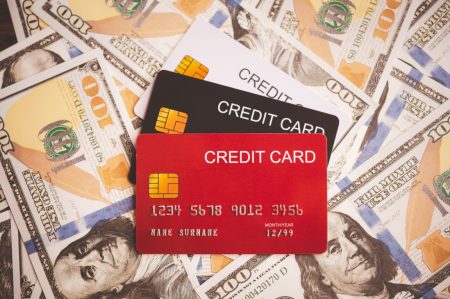
Credit Card Debt Causes
Lifestyle, emergencies and the minimum payment trap commonly create financial woes. This quickly happens when a person spends beyond their means, has little or no savings, and only pays the minimum fee on a credit card. Managing debt is essential for your financial health, mental well-being, and your credit score.
Responsible Credit Card Use
Credit cards should be only used for planned, budgeted expenses. Consider using autopay to get the bills paid. Try to pay off the full balance each month to avoid interest fees.
Build an emergency fund. Set aside a portion of your income each month for unexpected expenses. It’s a good idea to save 3-6 months of living expenses.
Avoid the high fees of cash advances. You are better off borrowing from family and friends.
Credit Card Payment Tips
If you have multiple credit cards, pay off the balance of the card with the highest interest rate first.
Use the snowball approach. Pay off the credit card with the smallest balance. Then, use the money you save on interest to help pay down the next smallest balance. This method can leave you with a sense of accomplishment.
How to Avoid Credit Card Debt
Categorize your monthly spending. See how much you’re paying for groceries, transportation, housing and entertainment. Cut back where you can, and create a budget. See how much you have left over for fun.
Pay with cash. Not using a credit card can help you avoid overspending or making impulse purchases.
Use financial windfalls, such as raises and bonuses, to pay off existing debt. If you don’t have debt, save the extra cash.

How to Stay Debt-Free
Set realistic and achievable financial goals to avoid relapsing into debt. Start with small, manageable steps to stay motivated. Also, focus on setting aside money for long-term goals such as retirement, a home, or a child’s education.
Stay educated. There are plenty of personal finance blogs and financial literacy resources to read.
Track your progress. Use visual trackers or apps to help manage your money. Celebrate the milestones you reach along the way.
Finding Help
If you have a debt problem, you’re in good company. Mounting debt can impact your mental health. It can lead to a consistent feeling of anxiety and low mood, and cause sleep disturbances. Get help as soon as possible. Speak to a debt advisor for free from any number of organizations. Also consider talking to a trusted friend or relative.
If you need legal assistance with debt issues, the Law Office of Todd Kushner and Associates can help. We specialize in bankruptcy, foreclosure defense, commercial litigation and trusts and estates. Contact us today for more information.