


How Small Business Owners Can Use Chapter 11 to Stay in Control

How to Rebuild Your Credit Score After Bankruptcy
Here are just a few ways you can rebuild your credit score after bankruptcy.

Understanding the Commercial Litigation Process
Commercial litigation can be complex and time-consuming. Whether you’re a business owner dealing with a dispute or just looking to stay informed, understanding the process from complaint to trial can equip you to navigate the legal landscape with greater confidence.
Initial Consultation
During the initial consultation, the client meets with their attorney to discuss the specifics of their case. The attorney gathers facts and evaluates the strengths and weaknesses of the case as well as considers potential defenses, and discusses the possible outcomes. This first step of the process is critical as it sets the tone for the entire litigation process.
Filing the Complaint
The plaintiff’s attorney prepares a complaint detailing the facts of the case, the legal grounds for the claims, and the requested relief. This document is then submitted to the court, officially starting the lawsuit. The defendant is then formally served with the summons and complaint. The defendant has a certain time period to respond by filing an answer where they essentially admit or deny allegations. This exchange of pleadings defines the issues that will be examined during the course of the litigation.
Discovery Phase
This is where much of the case work happens – everything from interrogatories, sworn testimonies, expert witnesses, and requests for production of documents. The goal of the discovery phrase is to gather evidence, understand the opponent’s case, and develop arguments. This phrase can be long and complex, often demanding careful attention to detail and thorough examination of documents.
Pre-Trial Motions
Before the trial begins, either party can file motions to limit the trial. The following motions can be filed:
- Motion for Summary Judgment: Requests the court to decide in one party’s favor without a trial, asserting that no material facts are in dispute.
- Motions in Limine: Requests to exclude certain evidence from being presented at trial.
- Motion to Dismiss: Argues that the case should be dismissed because of a lack of legal foundation.
Settlement Discussion/Mediation
Judges encourage settlement discussions in order to save time and reduce costs. Settlement negotiations can take place at any point in the process and are frequently guided by the attorneys. Mediation and arbitration are also commonly used. Mediation involves a neutral third party who facilitates negotiations to help the parties reach a mutually acceptable agreement, whereas arbitration involves a neutral arbitrator who listens to both sides and issues a binding decision.
Trial Preparation
If the case isn’t resolved through settlement, both parties must get ready for trial. This preparation includes gathering and organizing evidence, compiling witness lists, and developing trial strategies. This phase involves finalizing exhibits, crafting opening statements and closing arguments, and preparing witnesses to testify. Thorough trial preparation is essential for delivering a persuasive case in court.
The trial may be a bench trial, in which the judge makes the decision, or a jury trial, where the verdict is determined by a jury. Throughout the trial, both sides present their cases through opening statements, witness testimonies, cross-examinations, and closing arguments.

Hiring an Attorney for Your Commercial Litigation Case
It’s no secret that a commercial litigation case can be complex and lengthy. That’s why it’s important to have the right commercial litigation attorneys on your side. Our attorneys at The Law Offices of Todd Cushner & Associates are here to help process easier. Call us today at 914-600-5502.

Overview of Chapter 7, Chapter 11 and Chapter 13
Bankruptcy is a legal process aimed to help individuals and businesses manage overwhelming debt. U.S. bankruptcy law provides different types of bankruptcy filings, known as “chapters,” each with distinct rules and eligibility requirements. Here is a brief overview of Chapters 7, 11, and 13.
Chapter 7 Bankruptcy
To qualify for Chapter 7 Bankruptcy, one must pass the “means test.” The “means test” simply means a person’s income is less than the median income in the state they reside in, and they can show that they don’t have sufficient income to repay their debts. When one files for Chapter 7 Bankruptcy, the court appoints a trustee who liquidates all non-exempt property and distributes the proceeds to the appropriate creditors.
Chapter 11 Bankruptcy
Under Chapter 11 Bankruptcy, a debtor is allowed to restructure their finances through a plan of reorganization approved by the bankruptcy court. Chapter 11 bankruptcy is commonly utilized by large businesses to restructure their debts. Corporations, partnerships, and limited liability companies (LLCs) are ineligible to file for relief under Chapter 13; therefore, Chapter 11 is their sole option for reorganizing and continuing business operations.
Chapter 13 Bankruptcy
Chapter 13 bankruptcy allows individuals with a steady income to create a repayment plan for all or a portion of their debts. If a person has a regular income and has money left after covering basic living expenses, the court may approve a debt restructuring and allow a repayment plan lasting up to five years.
Filing for bankruptcy can be overwhelming not to mention an emotional process. Our attorneys at The Law Offices of Todd Cushner & Associates can help make the bankruptcy process easy and painless. Call us today at 914-600-5502.

The Brunner Test
The Brunner test is a legal criterion applied by courts during bankruptcy cases to assess whether student loan debt can be eliminated based on undue hardship. Essentially, the Brunner test serves as a barrier, allowing student loan debt to be discharged in bankruptcy only if the debtor can show they are facing severe financial hardship with little or no chance of recovery. The test requires the debtor to prove three things.
- Minimal Standard of Living: The debtor must show that repaying the student loans would prevent them from covering essential living expenses, such as food and housing.
- Persistence of Hardship: The debtor must demonstrate that their financial hardship is not temporary and will likely to last for a substantial part of the loan repayment period.
- Good Faith Effort: The debtor must demonstrate that they have made a sincere effort to repay their student loans prior to requesting a discharge through bankruptcy.
A Bankruptcy Lawyer Can Help With the Brunner Test
The Brunner test can be complex and involve many legal standards that can be difficult to interpret without legal training. Thus, it’s important to consult with a bankruptcy attorney to help you understand how the three key components apply to your specific financial situation and to guide you through the process of filing for bankruptcy and potentially discharging your student loans.
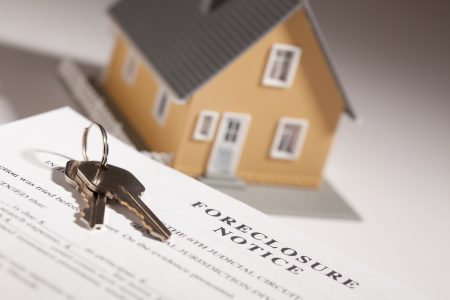
The Reasons Why Homes Go Into Foreclosure
Foreclosure occurs when a homeowner fails to pay their mortgage payments, leading the mortgage lender to initiate foreclosure proceedings to repossess the property. A foreclosure could be due to many factors, including the following.
Job Loss
An unexpected job loss or significant decrease in income can make it difficult for a homeowner to stay current on mortgage payments and affect the ability to afford their home.
Unexpected Medical Expenses
High medical expenses can place a financial strain on homeowners, potentially forcing them to choose between paying for healthcare and keeping up with their mortgage.
Divorce
If one spouse who handles the mortgage payments can no longer contribute, it may result in foreclosure. When both partners’ incomes are necessary to afford the mortgage, a divorce can heighten the risk of losing the home. Missed mortgage payments can severely affect the credit and financial stability of both individuals.
Rising Living Expenses
Rising everyday living expenses can put pressure on a homeowner’s budget, making it harder to stay current on mortgage payments.
Poor Budgeting
Some homeowners risk foreclosure due to poor financial planning or inadequate budgeting, which can result in missed mortgage payments.
Disasters
Disasters can severely damage or destroy a home, leaving homeowners struggling to keep up with mortgage payments while also covering repair costs. Floods, hurricanes, and house fires can strike unexpectedly and cause total loss. Most people can’t afford to pay for the damage on their own, so proper insurance is essential.
A Foreclosure Defense Attorney Can Fight for You
If you’re facing foreclosure, contact a foreclosure attorney right away. The Law Office of Todd Cushner & Associates is here to help. Contact us at (914) 600-5502.

How A Trustee Helps Manage Your Estate
How Commercial Litigation Affects Small Businesses
Can I Still Buy A Home After Foreclosure?

Should You File For Bankruptcy As A Couple?
The question is, should you file separately or jointly? Here are a few scenarios when filing together is the right move. Read More