

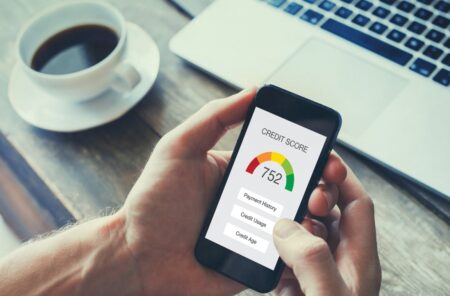
How To Rebuild Your Credit After Declaring Bankruptcy

Declaring bankruptcy might feel like you’re taking a massive step back financially. However, this legal process gives you a second chance to build healthier financial habits and avoid falling into the same situation again. Whether you’ve recently declared bankruptcy or planning on doing so, this guide gives you a few practical tips to help you improve your credit score from day one. Read More


Understanding Elder Financial Abuse

An estimated $28.3 billion is lost every year due to financial abuse targeting older adults. According to a 2023 AARP report, three-quarters of these losses are at the hands of someone the victim knows. To make matters worse, a majority of these incidents are not reported to authorities.  Read More


Stay Debt-Free: Tips for Managing Your Budget

The amount of bankruptcy filings by individuals and businesses is on the rise. Thanks to federal aid, filings dropped during the pandemic. However, the trend is ticking upward once again.  Here are some ways to keep yourself out of debt and away from bankruptcy court.  Read More


Top Reasons Homes Go into Foreclosure

Buying a home is exciting, but it’s easy to get in over our heads and end up in debt. Here are some common reasons homes go into foreclosure.


Read More


A Will Versus a Trust: What’s the Difference

Whether you are 19 or 99, everyone should have a will or a trust to distribute their assets after death. Noone really likes to talk about dying, but proper preparation is key if you want to avoid big headaches for your loved ones down the road. According to statistics, only about 32% of Americans have a will. Here are some key differences between a will and a trust to consider before you make a final decision.

Read More


Understanding Your Rights: Can Credit Card Companies Take Your Home?

If you find yourself in unpaid credit card debt, you may be worried about how far credit card companies will go to ensure that you pay off every last bit of your debt — even if it means seizing your home. 

However, you can rest assured knowing that credit card companies do not have the right to take away your home over unpaid debts. Although in some cases, there are loopholes where you may have no choice but to sell your home to pay off your debts. 

Read More


Credit Card Debt Relief Options

Being in credit card debt is one of the most stressful situations you can find yourself in, and you may be struggling to determine where you should turn next. 

Thankfully, there are many options for those in credit card debt that will provide them with some financial relief and peace of mind. 

Each option has its own unique benefits. It is crucial to evaluate every option to determine which is most ideal for your situation and which will provide the most relief to your debts. 

Here are some of the most common credit card debt relief solutions. 

Read More


What to Do If You Receive a Foreclosure Notice

Receiving a foreclosure notice is certainly stressful and rather terrifying, it is not the end of the world, nor does it mean that you are financially doomed. 

There are several actions you can take to manage the situation and avoid potentially losing your home. 

Here are some of the most crucial steps you should take immediately after receiving a foreclosure notice.

Read More


The Role of Bankruptcy in Protecting Your Family from Credit Card Debt

While filing for bankruptcy may seem like a scary and even demoralizing experience, it can save you and your family from financial ruin. 

When you have a family, you are responsible for doing everything possible to protect them, even if it means filing for bankruptcy when you fall into credit card debt. 

Here is how the process can protect your family from overwhelming credit card debt. 

Read More


How Much Debt Should You be Carrying?

Debt. A word that means different things to different people. For some, debt may equate to having a small balance on their credit card, while to others, debt means owing large sums of money in a variety of places, usually both personally and professionally. The trouble starts when you begin living beyond your means and what your monthly income can handle. Usually the more debt you carry equates with high interest rates and the amount you owe compounding quite quickly.

Read More

 
  • © 2026 Todd Cushner & Associates. All rights reserved.