


Love, Money, and Merging Bank Accounts: A Newlywed’s Guide to Financial Bliss

Top Mistakes Made in Estate Planning

How a Small Business Can Survive Commercial Litigation
How to Avoid Credit Card Debt

Mediation vs. Litigation: Choosing the Best Path for Business Disputes
While both of these processes are productive when it comes to settling disputes, there are specific benefits to each of them that may help you more than the other when it comes to certain cases.
So, which is more helpful to you, mediation or litigation? Let’s find out.

Thriving Through Uncertainty: Adapting to Economic Shifts With Confidence

How to Choose the Right Executor for Your Estate
The specific person you select will be responsible for managing your affairs long after you are gone.
To ensure that all of your wishes are fulfilled, and your assets are distributed as you instructed, here are some things to keep in mind when choosing an executor for your estate.

What Is a Living Will, and Do You Need One?
Having one can you give you and your loved ones peace of mind, and will allow all of your healthcare wishes to be followed even if you are unable to communicate them.
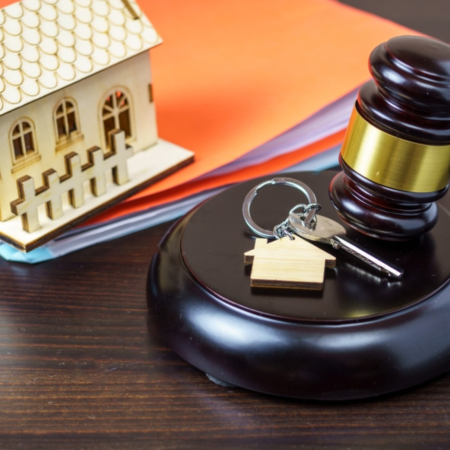
Common Mistakes Homeowners Make During Foreclosure Proceedings
Homeowners facing foreclosure are already experiencing tremendous stress, making it difficult to absorb the crucial steps of the process. According to recent data, roughly one in every 4,578 homes faces foreclosure nationwide.
Just a few missteps can make the entire process all the more grueling.
Here are just a few common mistakes homeowners often make due to the complex nature of foreclosure.
Ignoring Foreclosure Notices
One of the biggest mistakes people can make during foreclosure is burying their heads in the sand and avoiding it altogether. Even if homeowners may be scared and in denial about receiving foreclosure notices, ignoring the issue only makes it more difficult to find a solution.
The longer people wait to address the situation, the more debt accumulates, negatively impacting their credit score and making it more difficult to obtain loans for future purchases, including a new home.
The earlier they take action, the better their chances of exploring their options, including repayment plans and loan modifications, to save their home potentially.
Causing Property Damage
The foreclosure process can cause an array of unpleasant emotions in homeowners, and they may take their frustrations out on the house itself, destroying walls and removing appliances as a way to get even with the lender in a situation where they feel powerless.
Homeowners may also cause property damage by refusing to keep up with maintenance during the foreclosure process. They may see it as pointless, however, this only reduces the value of the home and hinders the chances of negotiating with the lender.
Damaging a property during the foreclosure process can also have legal repercussions, including financial penalties and criminal charges.
Causing Property Damage
The foreclosure process can cause an array of unpleasant emotions in homeowners, and they may take their frustrations out on the house itself, destroying walls and removing appliances as a way to get even with the lender in a situation where they feel powerless.
Homeowners may also cause property damage by refusing to keep up with maintenance during the foreclosure process. They may see it as pointless, however, this only reduces the value of the home and hinders the chances of negotiating with the lender.
Damaging a property during the foreclosure process can also have legal repercussions, including financial penalties and criminal charges.
Failing To Understand Your Rights
Some homeowners may assume that all hope is lost if their home is being foreclosed on, and do not even bother to make themselves aware of their legal rights during the process.
For example, homeowners have the right to challenge the foreclosure in court if they look through the evidence they believe the lender has violated their rights, made errors in the process, or failed to follow proper legal procedures.
They also have the right to seek legal representation to help them navigate the process and work out alternative plans.
Some states even grant those going through foreclosure the right to “redeem” their property by paying off the entire foreclosure debt within a certain time frame.
Not Filing For Bankruptcy
Some people may associate bankruptcy with being financially incompetent. However, filing for bankruptcy during the foreclosure process can be an extremely helpful strategy.
One of the most immediate effects of filing for bankruptcy is an automatic stay that halts collection actions, including foreclosure. Once bankruptcy is filed, creditors must stop all collection efforts while the case is ongoing, providing homeowners with some financial relief and time to catch up on funding.
Even if filing for bankruptcy doesn’t stop the foreclosure process indefinitely, it will allow those going through the process to catch their breath and manage their finances better.
The foreclosure process is a difficult path that no one hopes to navigate. However, if you ever find yourself in that unfortunate position, we are here to help. Call our office today at (914)-600-5502 for more information and resources regarding foreclosure.